Compare rebuilding and refurbishment options
When you face an older building in Japan, the practical question is rarely “renovate or demolish?” in the abstract.

When you face an older building in Japan, the practical question is rarely “renovate or demolish?” in the abstract. It is: given this specific 不動産 (real estate), which path, rebuilding (建替え) or refurbishment (改修), produces a defensible outcome for the people and capital involved? The method below lets you compare the two options, work through a checklist, and apply a decision rule. It does not prescribe a project solution; it shows you how to test the assumptions behind one.
Why the comparison is not about age alone
The age of a structure is a poor proxy for whether it should be rebuilt or refurbished. A 40-year-old building with continuous maintenance can outperform a 20-year-old one that has been neglected. The Japanese register records the date of construction, but it does not record the quality of maintenance since then. Before comparing options, separate three things that are often conflated:
- Physical condition, what is failing or worn now.
- Legal compliance, whether the building meets current planning and construction codes.
- Economic life, how long the building can continue to generate income or serve its purpose.
A building can be physically sound but legally non-compliant, or legally compliant but economically obsolete. The decision rule below treats those three dimensions as separate questions, because each has a different remedy and a different cost.
Start with the decision frame, not the building
Before comparing a rebuild against a refurbishment, separate the decision into three layers. The first is ownership and registry. The second is planning and physical constraint. The third is occupancy and legal exposure. Each layer answers a different question and each must be resolved in order.
Layer 1: Ownership and registry
The land register (登記簿) is maintained by the local Legal Affairs Bureau (法務局). It records the owner, parcel number, area, mortgages, easements, and any cautions. A single building may sit on several parcels registered in different bureaus, so obtain the register for every parcel in the proposed site. The cadastral map (地図) shows the parcel boundaries; the land register and the cadastral map are separate records and may disagree. The cadastral map is often digitised, but it is not fully integrated with the land register, so check both (MLIT, 2023). For inherited property, the koseki (戸籍) is needed to trace the succession chain before the land register can be corrected. A licensed judicial scrivener (司法書士) prepares the registration application; a licensed land and building surveyor (土地家屋調査士) handles boundary surveys and map corrections.
Do not treat a clean title alone as proof that the site is buildable. The land register shows rights, not the legal capacity to build. A parcel may have a clean title but be subject to a road-width restriction under Article 43 of the Building Standards Act, a public facility reservation on the urban planning map, or a leasehold interest that does not appear in the ownership register. The building confirmation application (建築確認申請) is a separate record held by the municipality and must be checked against the current building.
Layer 2: Planning and physical constraint
The urban planning map (都市計画図) shows zoning districts, road plans, and public facility reservations, but it does not show building-specific restrictions such as height limits or setback lines; those appear in the local government’s district plan. Cross-reference the zoning and land-use designation against the intended use. A building that was legally constructed may have been illegally altered later, which can affect demolition and rebuilding approvals.
Request a building confirmation application (建築確認申請) from the local government planning department. This file contains the approved plans, the structural calculation summary, and the date of the building permit. A permit issued before the 1981 seismic code revision means the structure was designed to older codes, regardless of later renovations. Cross-reference this application with the current building register to catch unrecorded alterations.
Layer 3: Occupancy and legal exposure
Search the corporate registry (会社法人等登記) for the entity that owns the property. A company may have multiple registered offices; the correct branch is the one that holds the property title. Trace inheritance through koseki (戸籍) when the registered owner is deceased; the land register alone may not show the current legal owner.
Obtain a fixed-asset tax register record from the municipal tax office. The assessed value is not a market price proxy; MLIT’s published land price survey or a licensed appraiser should be used for market comparisons.
Step-by-step method: establish the legal record first
Before comparing rebuilding versus refurbishment, establish what the records permit. In Japanese property practice, the authoritative sources are fragmented: the land register and cadastral map are held by the local Legal Affairs Bureau, while zoning and construction codes are managed by municipal planning departments under the Building Standards Act (建築基準法) and the Urban Redevelopment Act (都市再開発法). There is no single national portal for private use; each document type lives in a different office and may be updated on different cycles. MLIT publishes national land-use and construction-code guidance, but the operative approvals are issued locally (MLIT, 2024). A practical comparison of rebuilding and refurbishment therefore begins with the official records, not with the physical condition of the building.
Verify the parcel and building records
- Obtain the land register from the local Legal Affairs Bureau. The register shows the owner, parcel area, mortgage or easement entries, and any recorded leasehold rights. Do not assume the register is current: ownership changes are recorded only when registered, and the registered owner may differ from the beneficial owner.
- Obtain the cadastral map for the parcel. Cross-check the boundary lines on the map against the parcel area in the register. In older rural surveys, positional error can reach several metres (MLIT, 2021). If the boundary on the map does not match the physical fence or wall, commission a licensed land and building surveyor to conduct a boundary survey before any design work.
- Request a building confirmation application from the local government planning department. This file contains the approved plans, the structural calculation summary, and the date of the building permit.
- Check the zoning and land-use designation on the urban planning map against the intended use.
- Obtain a fixed-asset tax register record from the municipal tax office.
- Cross-reference the building confirmation application with the current building register.
- Search the corporate registry for the entity that owns the property.
- Trace inheritance through koseki when the registered owner is deceased.
The decision rule: test three dimensions separately
Once the records are assembled, apply the decision rule. For each of the three dimensions below, ask whether the problem can be fixed through refurbishment or whether it demands rebuilding.
Physical condition
Inspect the structure for what is failing or worn now. Commission a structural engineer to assess the frame, foundations, and envelope. If the deficiency is localised (a corroded beam, a leaking roof membrane), refurbishment is likely sufficient. If the frame is systematically under-strength or the foundation has settled unevenly, rebuilding becomes the more defensible choice.
Legal compliance
Determine whether the building meets current planning and construction codes. A pre-1981 permit signals that the seismic design predates modern codes. Check for road-width compliance under Article 43 of the Building Standards Act, setback violations, and unrecorded additions. Non-compliance that can be cured through retrofit (adding bracing, upgrading fire separation) favours refurbishment. Non-compliance that requires reducing floor area or altering the building envelope may tip the balance toward rebuilding.
Economic life
Calculate how long the building can continue to generate income or serve its purpose. Compare the net present value of refurbishing and holding against the cost of demolishing and rebuilding. Factor in the fixed-asset tax implications, depreciation schedules, and any leasehold protections under the Land and Building Leases Act (借地借家法). If the remaining economic life after refurbishment is shorter than the payback period, rebuilding is the stronger option.
Regulatory basis
- Building Standards Act (建築基準法): Sets structural, fire, and site codes; the 1981 seismic code revision is a key threshold for older buildings. The Act is administered by MLIT and enforced by local governments.
- Urban Redevelopment Act (都市再開発法): Provides the legal framework for large-scale redevelopment projects, including tenant relocation procedures and compensation requirements.
- Land and Building Leases Act (借地借家法): Governs lease protections for tenants and landlords, including renewal rights and eviction procedures.
- Act on Promotion of Private Urban Regeneration (都市再生特別措置法): Provides expedited approval procedures for private redevelopment projects in designated regeneration zones.
- Fixed Asset Tax Law (固定資産税法): Governs municipal property valuation and taxation; the register is maintained by the municipal tax office.
VERIFIED RESEARCH (LEGAL/REGULATORY): REGULATORY_BASIS: - Building Standards Act (建築基準法), Sets structural, fire, and site standards; the 1981 seismic code revision is a key threshold for older buildings. The Act is administered by MLIT and enforced by local governments. - Urban Redevelopment Act (都市再開発法), Provides the legal framework for large-scale redevelopment projects, including tenant relocation procedures and compensation standards. - Land and Building Leases Act (借地借家法), Governs lease protections for tenants and landlords, including renewal rights and eviction procedures. - Act on Promotion of Private Urban Regeneration (都市再生特別措置法), Provides expedited approval procedures for private redevelopment projects in designated regeneration zones. - Fixed Asset Tax Law (固定資産税法), Governs municipal property valuation and taxation; the register is maintained by the municipal tax office.
SEARCH_TERMS: 再開発 (redevelopment), 建替え (rebuilding), 立退き (vacating/eviction), 借家 (leased house), 登記 (registration), 不動産 (real estate), 法務局 (Legal Affairs Bureau), 都市計画 (urban planning), 建築基準法 (Building Standards Act), 都市再開発法 (Urban Redevelopment Act), 土地家屋調査士 (land and building surveyor), 司法書士 (judicial scrivener), 不動産鑑定士 (real-estate appraiser), 固定資産税 (fixed asset tax), 借地借家法 (Land and Building Leases Act), 区分所有法 (Act on Building Unit Ownership), 定期借地権 (fixed-term land lease), 底地 (land under a leasehold), 借地権 (leasehold right), 借家権 (tenant right), 立退き (vacating/eviction), 登記 (registration), 再開発 (redevelopment), 建替え (building replacement), 不動産 (real estate), 日本 (Japan)
Read next
-
Redevelopment feasibility in Japan
Redevelopment feasibility in Japan rests on five interdependent variables: site control, planning envelope, programme, cost, and market assumptions.
-
Read Japanese zoning and land-use information
Japanese land-use control is not one document. It is a stack of separate legal instruments.
-
Build a property-development risk register
A property-development risk register is a working document that forces every assumption about a Japanese site to be tested against a named record before you treat the scheme as viable.
-
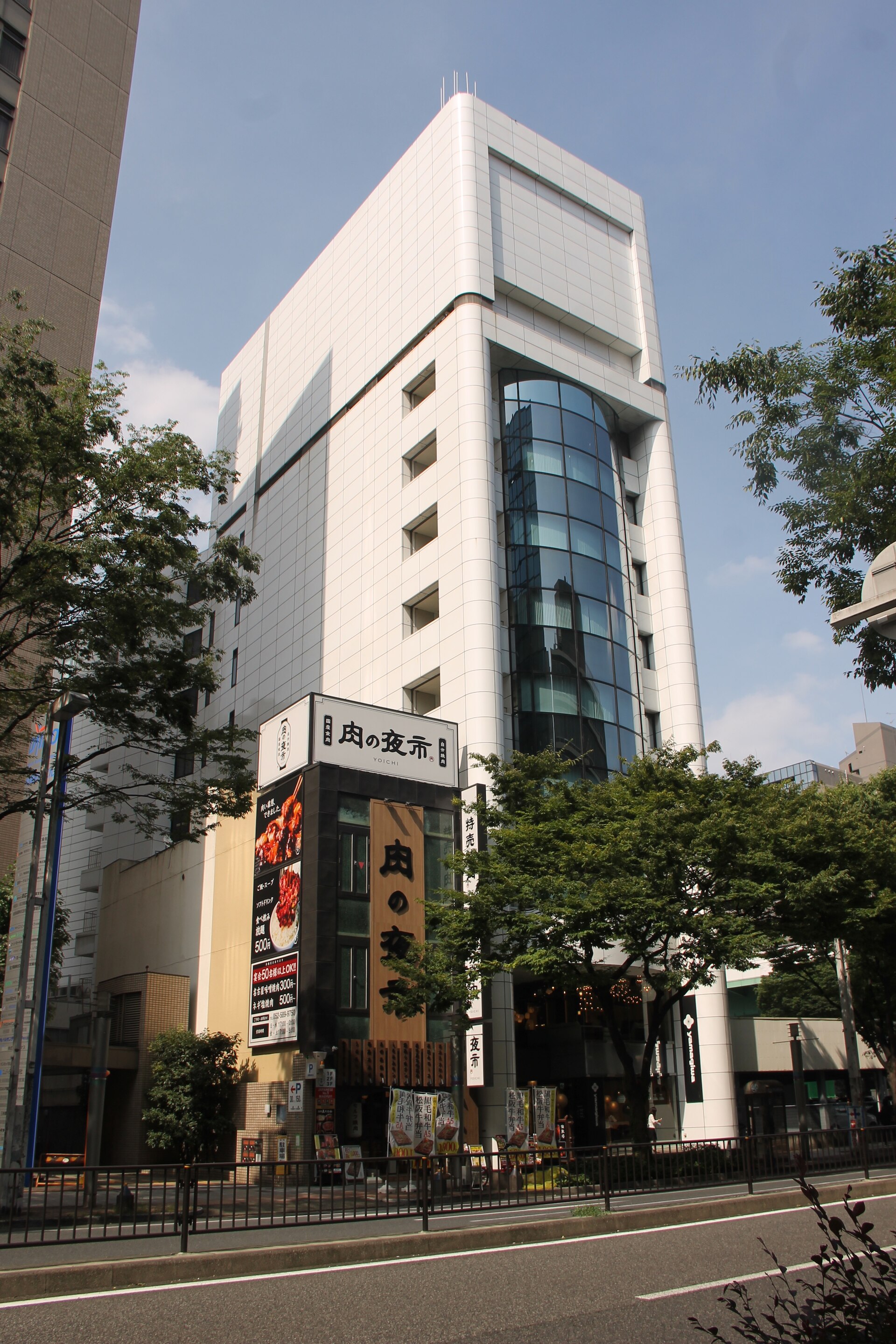 不動産開発・建替え計画の進め方
Japanese property redevelopment is an evidence problem before it is a construction problem.
不動産開発・建替え計画の進め方
Japanese property redevelopment is an evidence problem before it is a construction problem.
-
Tenancy and relocation evidence
This article explains the evidence framework for tenancy and relocation in Japanese real estate. It is not a legal opinion, a compensation calculator, or a negotiation playbook.